
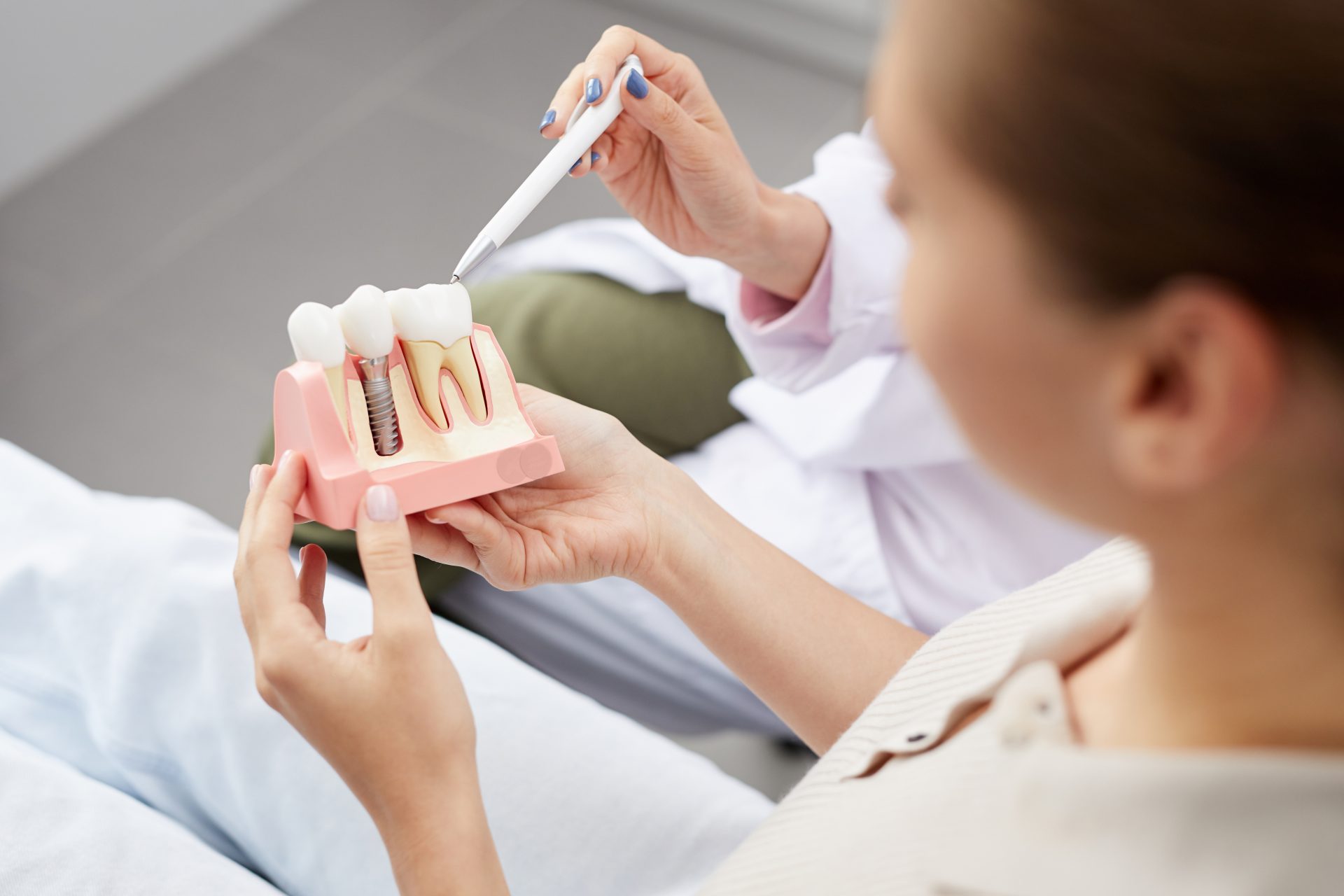
Many individuals considering dental implant surgery wonder what the experience entails. This procedure offers a reliable solution for tooth replacement, but understanding the steps involved is crucial for your peace of mind. You will learn about the preparations needed before your appointment, the process you will undergo during the surgery, and what to anticipate in the recovery phase. Being well-informed can enhance your experience and help you achieve a successful outcome.
Understanding Dental Implants
A dental implant is a modern solution for restoring your smile. It replaces missing teeth with artificial roots that provide a secure foundation. This procedure offers a durable alternative to traditional dentures, enhancing esthetics and functionality. Whether you’re facing tooth loss due to injury or decay, understanding implants can help you make informed decisions about your dental health.
Types of Dental Implants
Dental implants come in various types, each designed to suit different needs. Here’s a breakdown:
| Endosteal Implants | Fixtures placed within the jawbone. |
| Subperiosteal Implants | Situated above the jawbone but under the gum tissue. |
| Zygomatic Implants | Anchored in the cheekbone, ideal for patients with significant bone loss. |
| All-on-4 Implants | A system using four strategically placed implants for full-arch restoration. |
| Mini Implants | Smaller than traditional implants, suitable for tighter spaces. |
You can choose the appropriate type based on your specific requirements and consultation with your dentist.
Benefits of Dental Implants
Implants offer numerous advantages that can significantly enhance your quality of life. They restore function and preserve jawbone structure, preventing the deterioration often seen with missing teeth. Furthermore, unlike dentures, implants are stable and do not shift, providing you with confidence while eating and speaking.
Dental implants also greatly improve oral health by allowing you to maintain adjacent teeth and avoiding the need for more extensive procedures later. Other benefits include:
- Durability: Implants can last a lifetime with proper care.
- Convenience: No need for messy adhesives, as seen with dentures.
- Natural Appearance: Designed to blend seamlessly with your natural teeth.
- Enhanced Confidence: Enjoy normal functioning without fear of embarrassing slips.
- Bone Preservation: Protects your jawbone from degeneration.
A successful implant journey can genuinely transform your smile and boost your self-esteem.
Preparing for Surgery
Preparation is key to ensuring a smooth experience if you’re considering dental implant surgery. You should familiarize yourself with the process, understand the steps involved, and adhere to guidelines set forth by our skilled team. This way, you’ll maximize the benefits of your tooth replacement options and minimize potential risks.
Initial Consultation
For your first visit, you will undergo a thorough examination to determine your candidacy for the procedure. This session will include imaging tests and a detailed discussion about your dental history, helping us customize a plan that aligns with your unique needs.
Pre-Surgery Guidelines
A crucial part of your surgical journey involves following specific pre-surgery guidelines to ensure safety and effectiveness. You will receive instructions regarding medication adjustments, dietary restrictions, and necessary lifestyle changes to prepare your body for the procedure.
Understanding these pre-surgery guidelines is crucial for a successful outcome. You may be advised to avoid certain medications, especially blood thinners, which can increase the risk of complications. Additionally, plan for a clear liquid intake the night before and arrange a reliable transportation method post-surgery. Staying informed and following these recommendations can significantly improve your postoperative recovery and enhance the results of your treatment.
The Surgical Procedure
All aspects of dental implant surgery are designed to ensure a smooth experience. From initial consultation to the final placement of the implant, our team focuses on your comfort and outcomes. The procedure typically involves:
- Creating an incision in the gum.
- Placing the implant within the jawbone.
- Suturing the area to promote healing.
What Happens During Surgery
Your dentist will carefully prepare your jaw for the implant during the procedure. A small incision is made in the gum tissue to expose the bone, where the titanium post will be inserted. The site is closed with sutures, allowing for proper healing.
Anesthesia and Comfort
An appropriate anesthesia option will be utilized to ensure your comfort throughout the process. We prioritize your ease during the procedure, whether you prefer local sedation or other forms.
What you can expect regarding anesthesia is that it will effectively minimize discomfort. You’ll have the choice between local anesthesia or sedation, depending on your preference and anxiety levels. This aspect is crucial because it relieves pain and enhances your overall experience. After the procedure, following postoperative care instructions is vital to ensure proper healing and minimize potential risks like infection. Your comfort is our priority, and we strive to create a positive environment for your dental journey.
Recovery Process
Adhere to the recovery instructions provided by the team at Omaha Family Dental for the best results following your dental implant surgery. You may experience some swelling and discomfort during this period, but these sensations diminish over time. Ice packs and prescribed medications will help manage pain, allowing you to transition into your daily routine smoothly.
Immediate Postoperative Care
Postoperative care is vital for a successful healing process. For the first few days, avoid strenuous activities and stick to soft foods to prevent unnecessary strain on your healing implants. Maintaining good oral hygiene to minimize the risk of infection is also crucial.
Long-Term Healing Expectations
Dental implants can integrate seamlessly with your jawbone with proper care and attention, enhancing oral health and function. It’s imperative to attend follow-up appointments to monitor your healing progress. Most individuals can expect complete healing within several months, allowing for a fully restored smile.
Understanding the long-term healing process is crucial for your overall dental health. Typically, the fusion of your implants with the bone may take several months, and during this time, you should maintain regular contact with your dental care team. Pay attention to any signs of complications, such as persistent discomfort or swelling, as these can indicate issues that require prompt attention. Adopting a healthy lifestyle, including a balanced diet, will also support your recovery and ensure the longevity of your new dental implants.
Potential Risks and Complications
Your journey toward receiving a dental implant can come with certain risks and complications. Although the procedure is generally safe, infection, implant failure, and nerve damage can arise. Discussing these potential concerns with your dental team ensures you are well-informed and prepared. Knowing when to seek help is also essential.
Knowing when to Contact help is essential. If you experience severe pain, excessive bleeding, or signs of infection such as fever or inflammation, seek professional advice immediately.
Plus, it’s important to pay attention to your recovery. If you notice any prolonged discomfort or sudden changes in your condition, don’t hesitate to contact your dental professional. Early intervention can address potential complications and ensure your tooth replacement journey is successful. Keep in mind that your oral health is paramount, so stay vigilant!
Aftercare and Maintenance
Despite the thoroughness of your dental implant surgery, the success of your implant relies heavily on your aftercare. Proper maintenance ensures the longevity and functionality of the implants. You’ll need to follow specific guidelines from your dental provider to promote healing and maintain oral health.
Oral Hygiene Practices
Maintaining good oral hygiene is crucial after a dental implant procedure. You should brush your teeth gently twice a day and floss carefully to eliminate plaque buildup around the implant area. Using an antibacterial mouthwash can also significantly aid in preventing infection, ensuring your gums remain healthy.
Follow-Up Appointments
Oral health professionals recommend scheduling follow-up appointments to monitor the success of your implants. These visits allow your provider to assess the site’s healing and make any necessary adjustments. Regular check-ups are vital as they prompt the identification of potential issues like infection or misalignment, ensuring your implants function optimally.
Aftercare plays a significant role in the long-term success of your implants. Adhering to your provider’s recommendations, attending follow-up appointments, and maintaining oral hygiene are critical to achieving the best outcome. Ignoring these aspects can lead to complications, so stay proactive to keep your smile bright and healthy.
Conclusion
Now that you are informed about dental implant surgery in Omaha, TX, you can confidently approach the process. Understanding what to expect before, during, and after the procedure will help ease any concerns. Be sure to consult with the skilled team at Omaha Family Dental for personalized guidance and support throughout your tooth replacement journey. Your beautiful smile is just a step away!
For more information, reach out to Dr Husnain Shahid, Omaha Family Dental, 607 Ray Jacobs Ave, Omaha, TX 75571, 903-884-2321
We also serve Mount Pleasant, TX; Texarkana, TX; Texarkana, AR; Longview, TX; Marshall, TX; Sulphur Springs, TX; Kilgore, TX; Paris, TX; Tyler, TX; Commerce, TX, Henderson, TX, Shreveport, LA, Bossier City, LA, Hope, AR, and Greenville, TX.
Key Takeaways:
- Preparation is Essential: Before the dental implant surgery, a comprehensive assessment is conducted to determine the patient’s suitability for the procedure and to plan accordingly.
- Technology Meets Care: Utilizing advanced techniques and state-of-the-art technology ensures a smoother dental implant procedure, enhancing comfort and accuracy.
- Post-Surgery Guidelines: Following the procedure and adhering to care instructions is vital for optimal healing and integration of the implants.
- Long-Term Benefits: Dental implants provide a durable and natural-looking solution for tooth replacement, significantly improving functionality and esthetics.
- Consultation Matters: Engaging with the experts at Omaha Family Dental allows patients to explore various tooth replacement options tailored to their specific needs.
FAQ
Q: What can I expect before dental implant surgery?
A: Before the procedure, you will have a thorough consultation to assess your oral health and determine treatment suitability. Your dental professional will review your medical history, discuss any necessary imaging, and outline the process. This preliminary meeting is crucial for alleviating concerns and ensuring you are fully informed about the upcoming surgery.
Q: How does the dental implant procedure work in Omaha, TX?
A: The dental implant process involves several key stages. Initially, a small titanium post is surgically placed into the jawbone to act as a substitute root for a missing tooth. Over time, this post fuses with the bone in osseointegration, providing a strong foundation. A custom-made crown is attached after this healing period, completing the restoration. The entire path may span several months, depending on individual circumstances.
Q: What should I expect during the dental implant surgery?
A: During the surgery, you will be given anesthesia to ensure comfort. The oral professional will make a small incision in the gum to access the jawbone, where the titanium post is inserted. The procedure usually takes one to two hours, depending on various factors such as the number of implants and the complexity of your case. You may also receive instructions for postoperative care to aid in recovery.
Q: Are there any risks or complications associated with dental implant surgery?
A: Like any surgical procedure, there are inherent risks, such as infection or anesthesia-related complications. However, these occurrences are rare, especially when performed by experienced professionals. Maintaining good oral hygiene and following aftercare guidelines can significantly reduce potential risks and promote healing.
Q: What can I expect after the dental implant procedure?
A: Post-surgery, some discomfort or swelling is normal but can typically be managed with prescribed pain relief. It’s important to adhere to any aftercare instructions provided. A follow-up appointment will be scheduled to monitor your healing progress. Full recovery may take several months, but once complete, your new implant should function like a natural tooth, enhancing your smile and oral function.
Dr. Husnain Shahid, DDS, graduated as Valedictorian from Mount Pleasant High School in 2013, earning his associate’s degree simultaneously. He later received a Bachelor of Science in Biology from the University of Texas at Dallas in 2015. After completing his Doctor of Dental Surgery degree at Texas A&M College of Dentistry in 2019, he co-founded Pleasant Smiles Dental and Omaha Family Dental with his brother. As a Gold Invisalign Provider, Dr. Shahid is dedicated to advancing his dental skills, completing over 200 hours of continuing education. He is an active member of several professional organizations and enjoys spending time with family and friends, playing basketball, volunteering, exercising, reading, and traveling.
Dr. Rehan Shahid, DDS, MSHM, MBA, is a passionate dentist dedicated to providing advanced dental care in Mount Pleasant, Texas. With a strong educational background and a commitment to ongoing learning, Dr. Shahid offers comprehensive procedures using cutting-edge technology. As co-owner of Pleasant Smiles Dental and a Gold Invisalign Provider, he prioritizes patient satisfaction and is a proud member of various dental associations. When he’s not crafting beautiful smiles, Dr Shahid enjoys basketball, travel, and quality time with loved ones.
Schedule your appointment today!